Microplastic Pollution
Detection and characterization of microplastics in water, sediments, zooplankton, molluscs, shrimps and selected fish species consumed locally.
Integrated science
Muanda Ocean Watch studies microplastic pollution, zooplankton biodiversity and ecotoxicological risk across environmental samples and locally consumed marine organisms.
Key areas
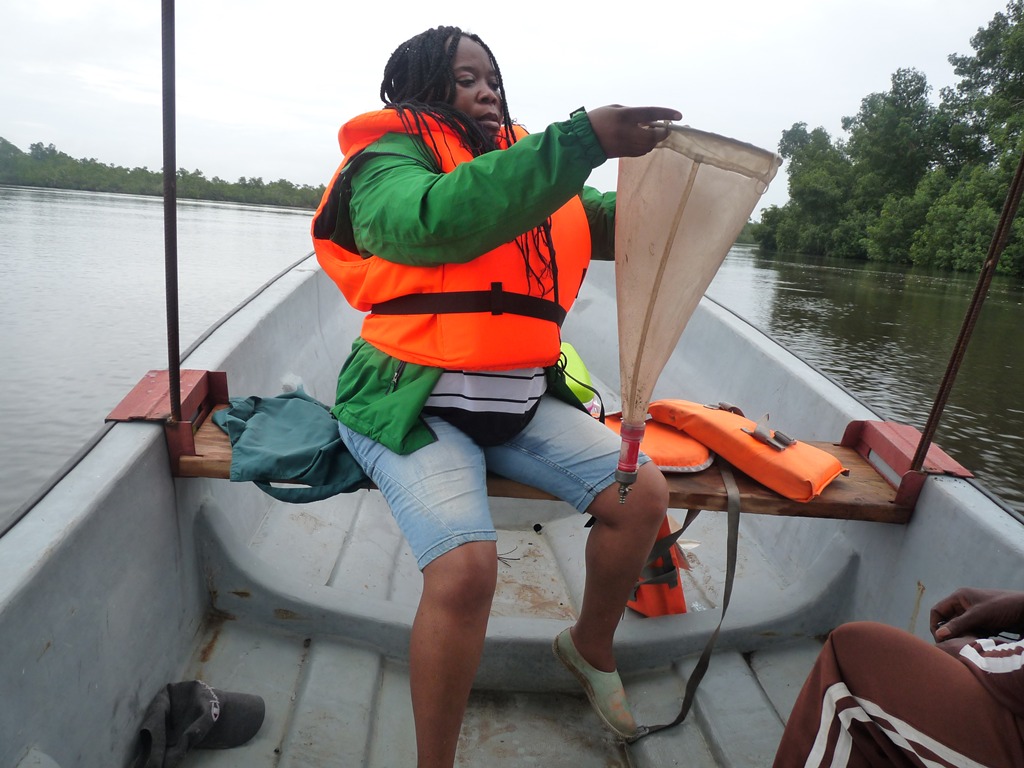
Detection and characterization of microplastics in water, sediments, zooplankton, molluscs, shrimps and selected fish species consumed locally.
Morphological and molecular identification of zooplankton and marine invertebrates, including DNA barcoding for a comprehensive Muanda species inventory.
Assessment of microplastic ingestion or absorption in Congolese marine invertebrates, linking pollution to food safety and public health.
Project detail
Approach
Stakeholders help define priorities, select sampling sites and validate protocols from day one.
Field sampling, laboratory analysis, molecular tools and community knowledge are combined.
Data is prepared for repositories under FAIR and CARE principles.
Findings become practical recommendations for waste management, fisheries and conservation.